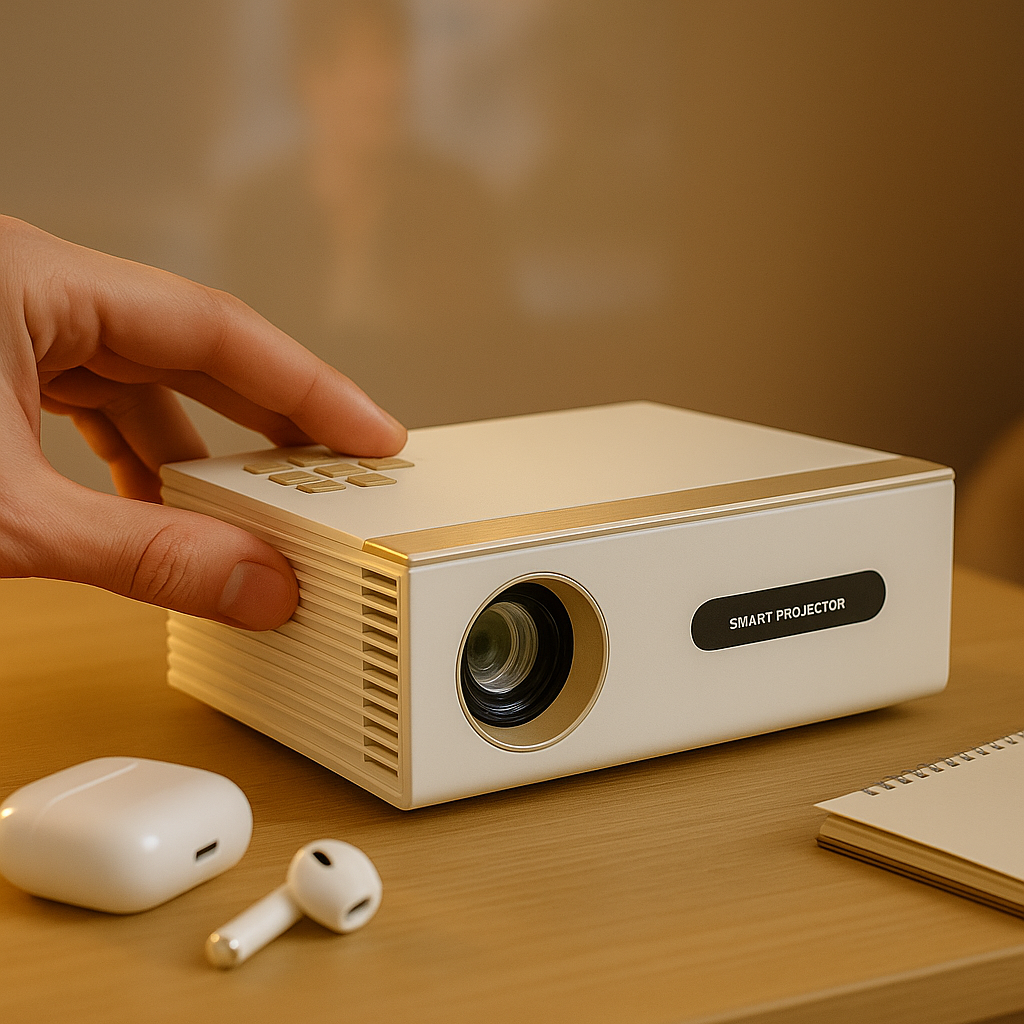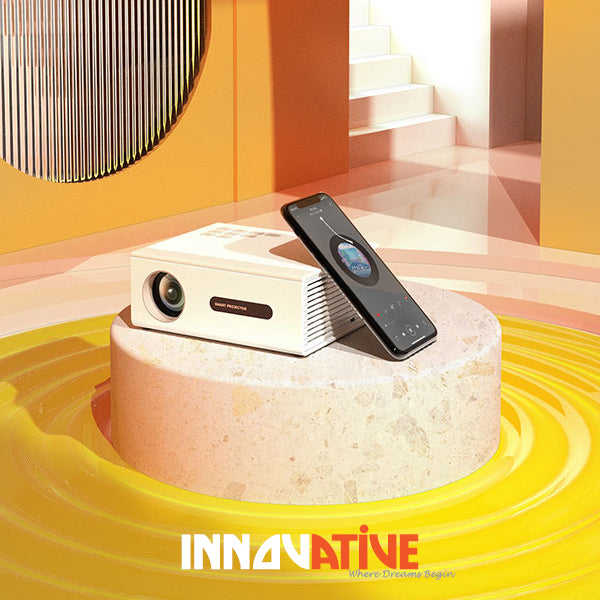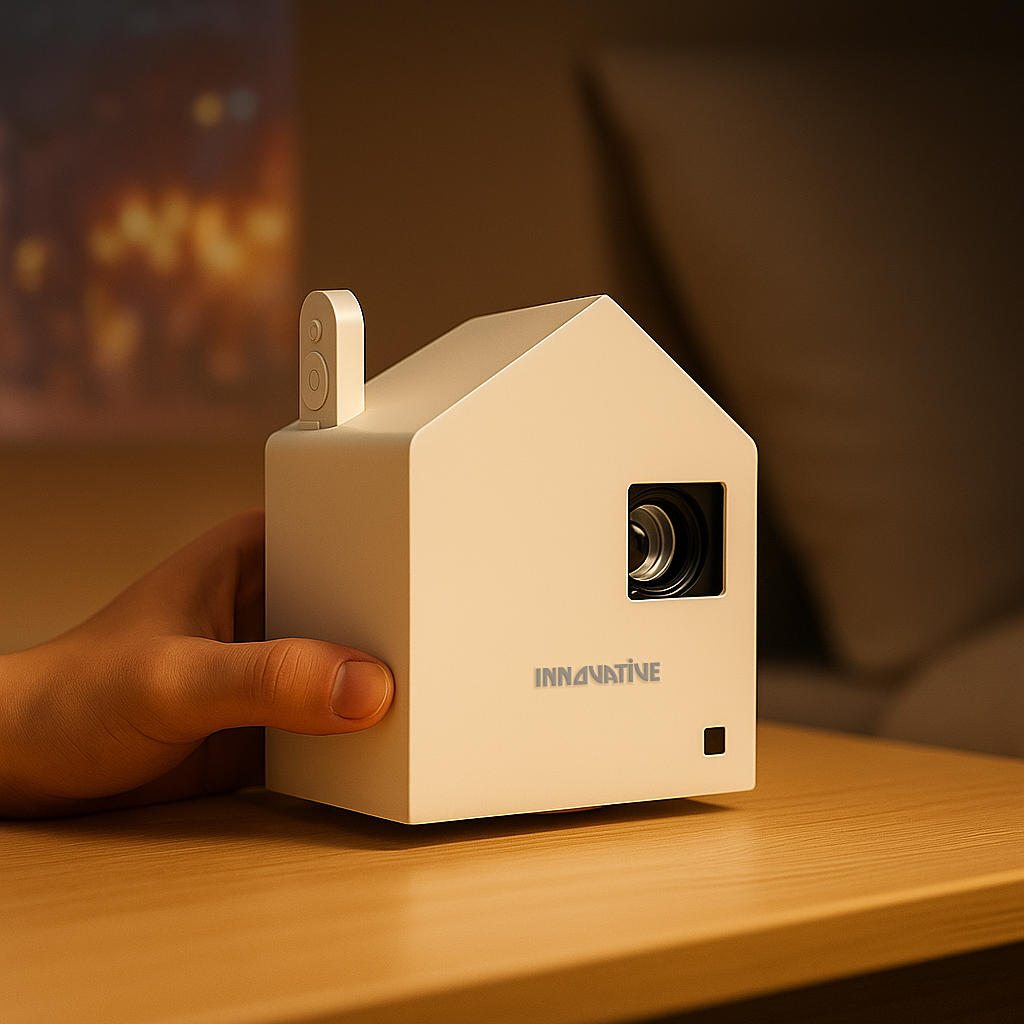

Picture a 100-inch image on movie night, then no giant black rectangle dominating the wall the next morning. That is usually where the question starts: can projectors replace living room TVs? The honest answer is yes, but not for every room, every budget, or every viewing habit. If you want a simple rule, here it is: projectors can absolutely replace a TV when the setup is chosen for real-world use, not for fantasy specs on a product page.
That distinction matters because this category is full of bad advice. Cheap projector listings love inflated brightness claims, vague contrast claims, and side-by-side comparisons that tell you almost nothing about how a projector will look in your home. A living room replacement has to perform where people actually live - with windows, lamps, kids walking around, furniture constraints, streaming apps, and daytime use.
Can projectors replace living room TVs for everyday use?
For many homes, yes. A modern projector can handle streaming, sports, gaming, and casual daily watching without feeling like a special-occasion device. The big shift is that projectors are no longer limited to dark basement theater rooms. Better light output, shorter throw options, wireless streaming, battery-capable models, and ALR screen pairings have made living room use much more realistic.
But replacing a TV does not mean copying a TV experience exactly. A projector creates a different kind of viewing environment. It gives you scale, flexibility, and often a more comfortable image for long sessions, especially for families who do not want kids staring at an intensely bright panel from a few feet away. On the other hand, a TV still wins in raw convenience if you want the brightest possible daytime image with zero setup thought.
That is why the better question is not whether projectors can replace living room TVs in theory. It is whether a projector can replace your TV in your room.
What makes a projector work in a living room
Brightness is the first filter, but this is where buyers get misled. Spec-sheet numbers are often presented in ways that make low-quality projectors look stronger than they are. Real brightness on screen, usable color, and image stability matter more than exaggerated claims. A projector that looks impressive in an ad can wash out badly in an actual living room if the room has uncontrolled light or the screen choice is wrong.
The second factor is screen strategy. If you project onto a plain wall, you can get a decent casual image, but you are leaving performance on the table. A proper screen can make the difference between "good enough at night" and "actually works as a TV replacement." In brighter spaces, an ALR screen is often what turns a projector from a compromise into a practical daily setup.
Placement matters too. Traditional long-throw models need space. That can be perfect in larger living rooms, but frustrating in apartments or rooms with traffic behind the couch. Near-wall and ultra short throw options solve a lot of that. They reduce shadows, simplify mounting, and make the whole setup feel more intentional instead of improvised.
Then there is usability. If replacing a TV means juggling cables, external dongles, and a complicated startup every time you want to watch a show, most households will give up. Good living room projectors need to feel close to plug-and-play, with reliable wireless casting or built-in streaming support, decent onboard audio or easy soundbar integration, and setup features that do not fight you.
Where projectors beat TVs
Screen size is the obvious one, but it is still the biggest reason people switch. Once you get used to 100 inches or more, going back to a 65-inch TV can feel cramped, especially for movies, live sports, and family viewing. You notice it less in ads than you do in real life, when everyone in the room has a better seat.
Projectors also win on flexibility. A TV is a fixed object. A projector can be moved room to room, taken outside, packed away, ceiling mounted, shelf mounted, or paired with a retractable screen so the room does not revolve around a display when it is off. For people in apartments or multipurpose spaces, that freedom matters.
There is also the look of the room. Many buyers do not want a giant television dominating the main living area. A projector setup can disappear much more gracefully. That is especially appealing in design-conscious spaces where the room has to function as a lounge, family room, and work area.
And when the projector is chosen well, viewing can feel more relaxed. The reflected image has a different quality from direct-emission TV light. That does not make every projector better for your eyes by default, and cheap low-quality models can still be unpleasant. But a good setup at the right size and viewing distance can feel easier for extended watching.
Where TVs still have the advantage
Daytime viewing in a bright room is the biggest reality check. If your living room has large uncovered windows and you watch a lot of content at noon with sunlight pouring in, a TV is still the easier answer. Projectors can handle bright rooms better than many people think, but they do not ignore physics. Room light control and screen choice still matter.
TVs also win for pure simplicity. Turn it on, and it works the same way every time. There is less dependence on projection distance, focus, screen surface, and room conditions. If your top priority is zero friction for news, casual channel surfing, and background viewing, that convenience is hard to beat.
For competitive gaming, some TVs also have an edge because of ultra-low input lag and high refresh support. That said, many modern projectors are perfectly good for casual and even serious gaming, so this is not a blanket deal-breaker. It depends on what you play and how demanding you are.
The biggest myth about projector replacement
The biggest myth is that brightness alone decides everything. It does not. Buyers are often pushed toward the highest claimed lumen number they can afford, then end up with a harsh, low-fidelity image that still does not perform well in a real room. Living room replacement is about the full system: projector, screen, placement, ambient light, and content type.
A second myth is that only dedicated theater rooms deserve projectors. That idea is outdated. The better models today are made for common rooms, bedrooms, apartments, and shared family spaces. Some are built specifically for near-wall use or portable room-to-room convenience. You do not need a mansion or a custom cinema room. You need a setup matched to how you actually live.
How to know if a projector can replace your TV
Start with when you watch. If most of your viewing happens at night or in the evening, a projector becomes much easier to recommend. If half your use is bright daytime sports with open blinds, you need to be more selective and probably budget for a better screen.
Next, look at your space. Do you have room for throw distance, or do you need a near-wall solution? Is ceiling mounting realistic, or do you need a shelf or media console setup? If the room is small, a short throw or ultra short throw model may save you a lot of frustration.
Then think about your habits. If you want a huge image for movies, streaming, and family viewing, a projector often gives more satisfaction per inch than a large TV. If you mostly leave something on in the background all day, a TV may still fit better.
Finally, be honest about your tolerance for compromise. Every display choice is a trade-off. The right projector setup gives you scale, flexibility, and a cleaner room aesthetic. The right TV gives you unbeatable daylight punch and simplicity. The mistake is expecting either one to win every category.
For shoppers who want less guesswork, this is where real-world testing matters. Brands like INNOVATIVE Projectors build around use cases instead of spec-sheet hype for exactly this reason. A projector for bedroom cinema, a bright-room living room, and an office presentation room should not be sold as if they are the same product just because the marketing bullets look similar.
So, can projectors replace living room TVs?
Yes - and in the right setup, they do more than replace them. They change how the room feels and how content is experienced. Bigger image, less visual clutter, more flexibility, and a more cinematic kind of everyday watching are real advantages, not marketing fluff.
The catch is simple. Do not shop for a projector the way people shop for cheap gadgets online. Shop for the room, the light, the screen, and the way your household actually watches. Get that part right, and the question stops being whether a projector can replace a living room TV. The better question becomes why you waited so long to claim the wall back.